
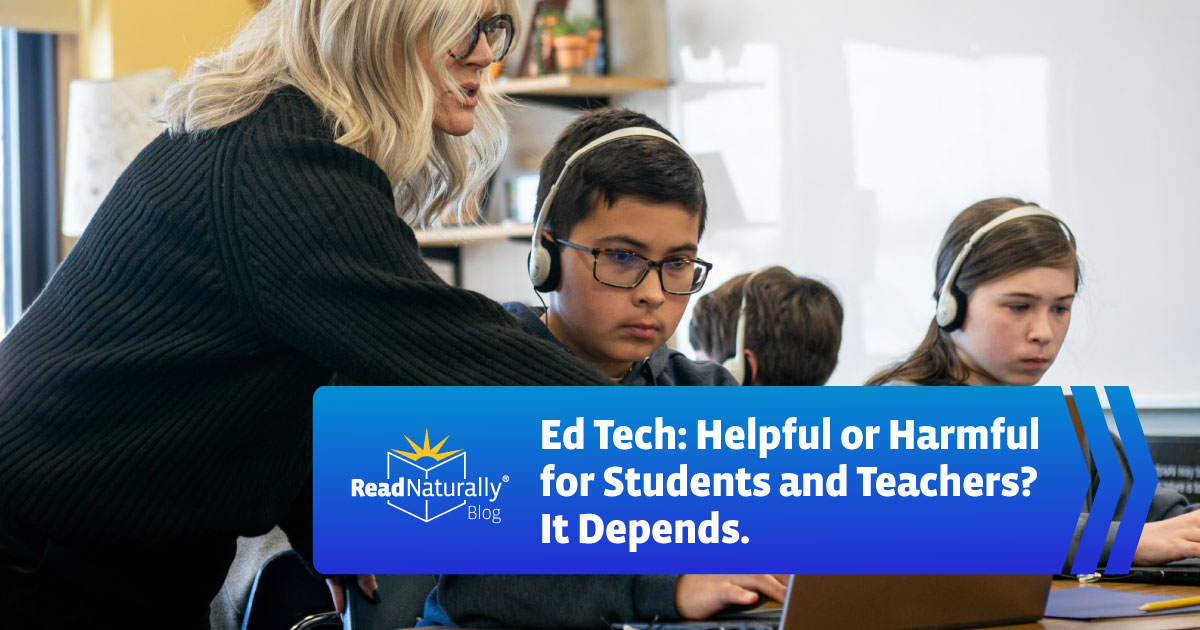
Education technology (ed tech) is under more scrutiny than it has been in years. Worried about screen time and its effect on kids' focus and well-being, lawmakers in a growing number of states have introduced bills to limit ed tech in public schools—some going as far as proposing to keep devices out of the early grades entirely. Much of that concern is fair. Passive, aimless screen time can do much more harm than good.
Nothing can replace the learning that happens when students interact personally with a good teacher. Not even the most sophisticated computer can compete with that. However, the use of high-quality tech tools in connection with teacher-student interaction can have huge benefits for both teachers and students.
When used well, ed tech allows educators to personalize learning, maximize instruction time, and control costs. Learning happens both in cooperation with a teacher and individually at the student’s own pace. As a result, learning can become more student-centered. It also creates the potential to extend the same instruction and practice beyond the classroom for students who have device access at home or in other school settings.
When it comes to optimizing teacher-student interaction and empowering students to work autonomously, according to their unique and changing literacy needs, Read Live is the solution. Teachers train students by guiding them through the program steps, supported by our free student training videos. When the students can competently perform the steps on their own, they do so, and teachers check in for the teacher-required steps and periodically as students need additional support or instruction.
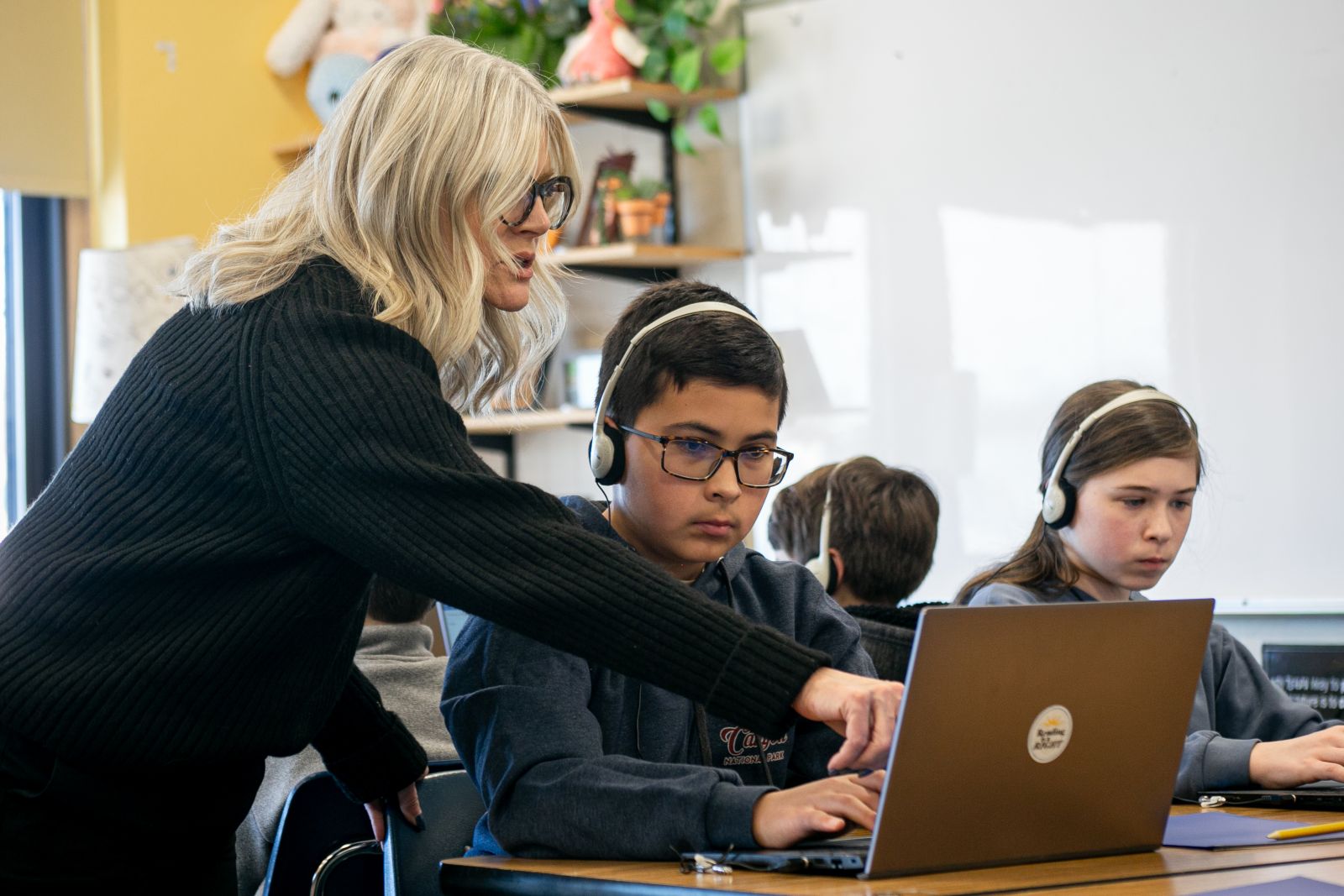 This system frees teachers to focus on the targeted, timely, one-on-one interactions that matter most for each individual student—while circulating to support several students within the same session. What’s more, many students love working in Read Live outside of school—and they can do so independently through the One Minute Reader Live program included in the Read Live platform. They become so fascinated by the topics and so hooked on tracking their progress that they don’t want to stop when their class time is up. Why should they? If they’re motivated to continue building reading skills outside of school, they should have every opportunity to do so.
Ed tech can also support instruction when teachers and students can't be in the same room: a school closure, sickness, a homebound or homeschooled student, a district sharing one interventionist across several sites, or time off over the summer or holidays when you don't want hard-earned progress to slip away.
Read Live works very well in these situations. Students can continue making progress on their own, wherever they are, and still connect with the teacher for the steps that require it. Using the Login As feature, a teacher can open a session as a specific student and conduct cold timings and pass activities remotely. A Waiting List shows which students are ready for teacher-required steps, and students can even record their hot timings for the teacher to score later—whether or not they are online at the same time. When a teacher isn't available, a parent or assistant can be trained to support students.
To learn more about using Read Live in remote settings, check out the following resources:
- Distance Learning with Read Live (overview)
- Part One: Read Live Overview > Distance Learning Tools (Read Live Teacher's Manual)
- Adapting Read Live in a Distance-Learning Model (article)
To learn more about how Read Live can help you and your students get more out of every minute, schedule a quick conversation with our Solutions Manager, Peter, tailored to your specific needs, setting, and goals.
 Share your student’s success story—nominate him or her for our Star of the Month award. Win a Barnes & Noble gift card for the student and a Read Naturally gift certificate for your class!

Post a New Comment