Phonemes: Their Pronunciations and Common Graphemes
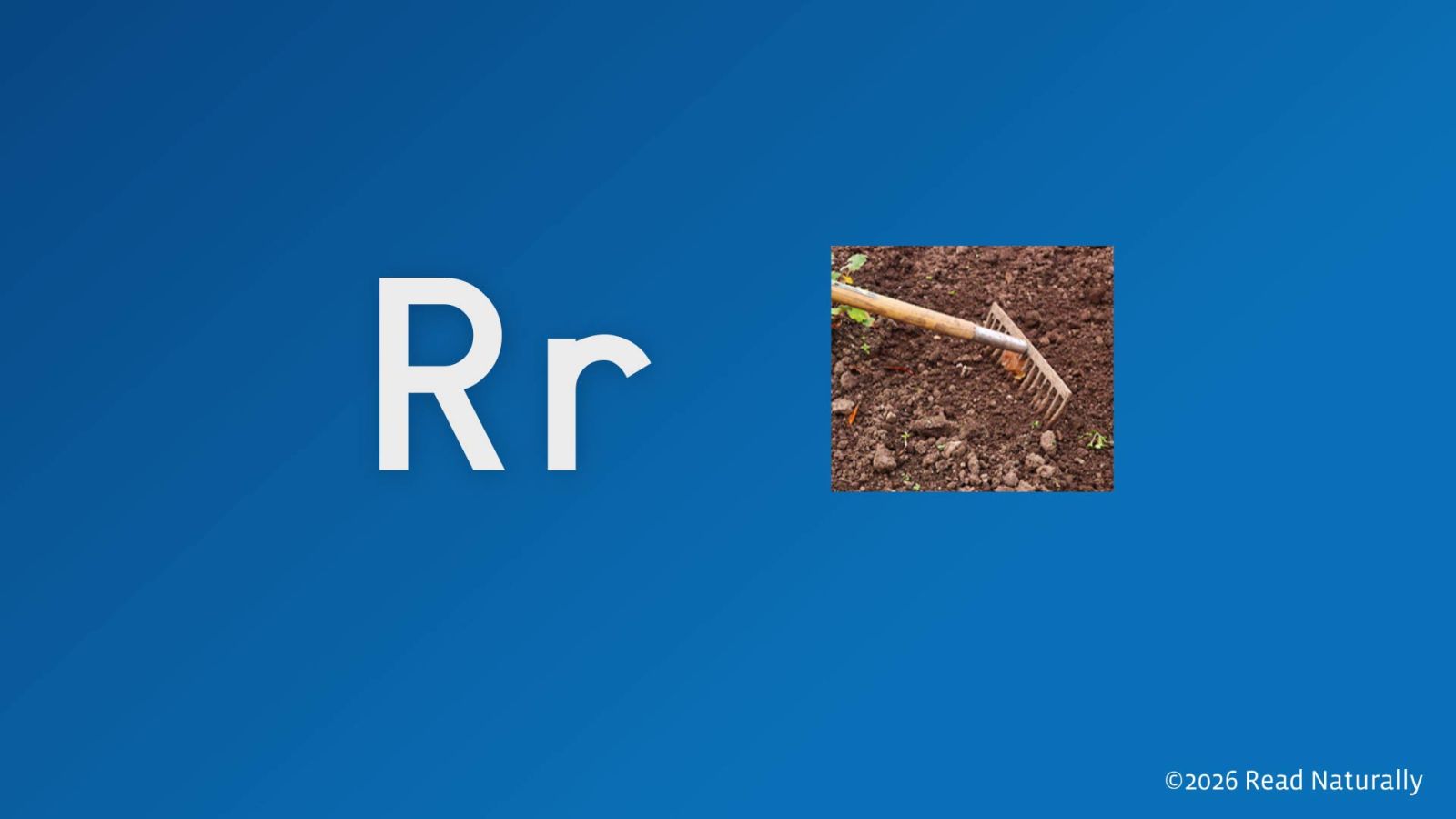
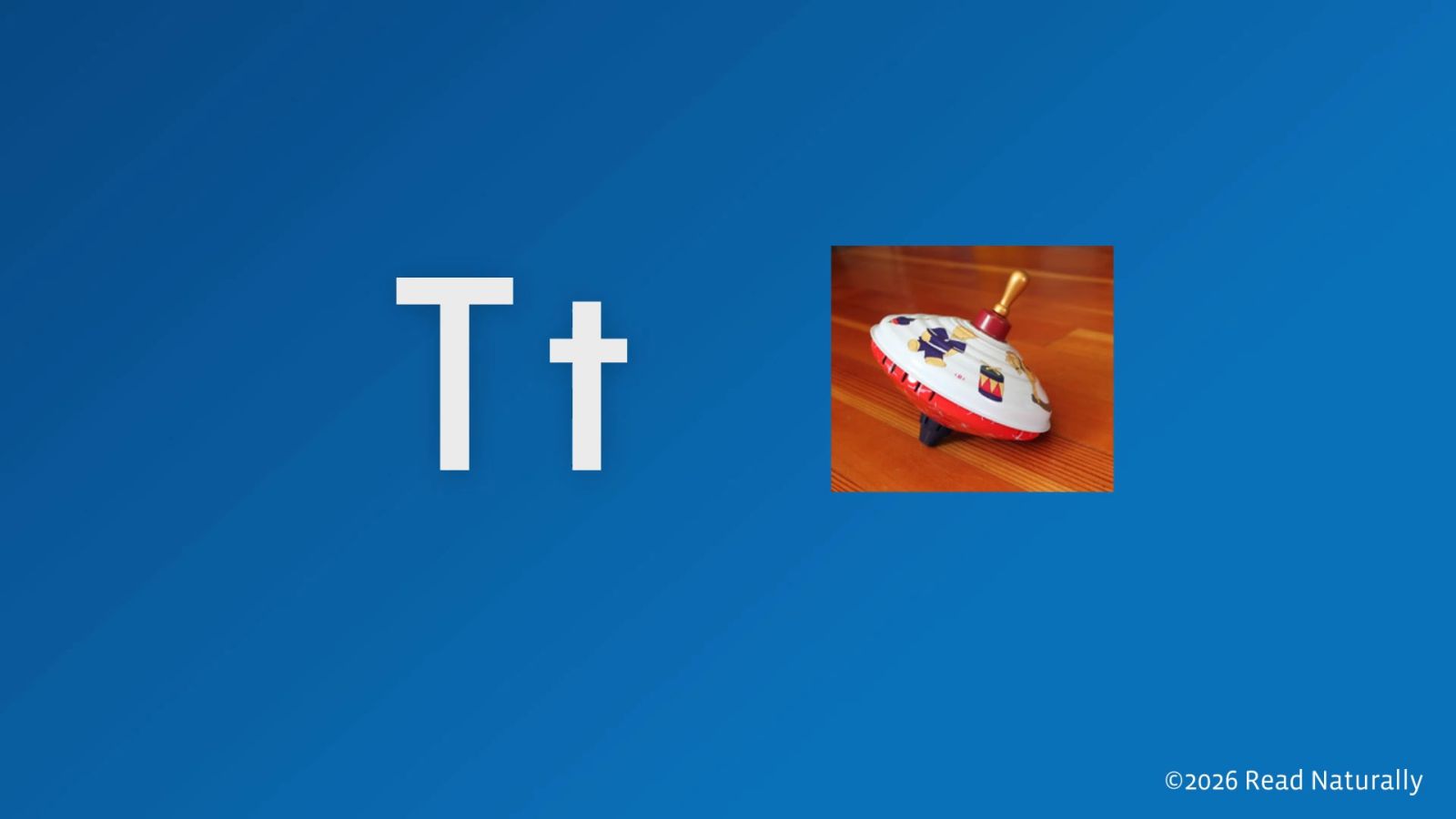
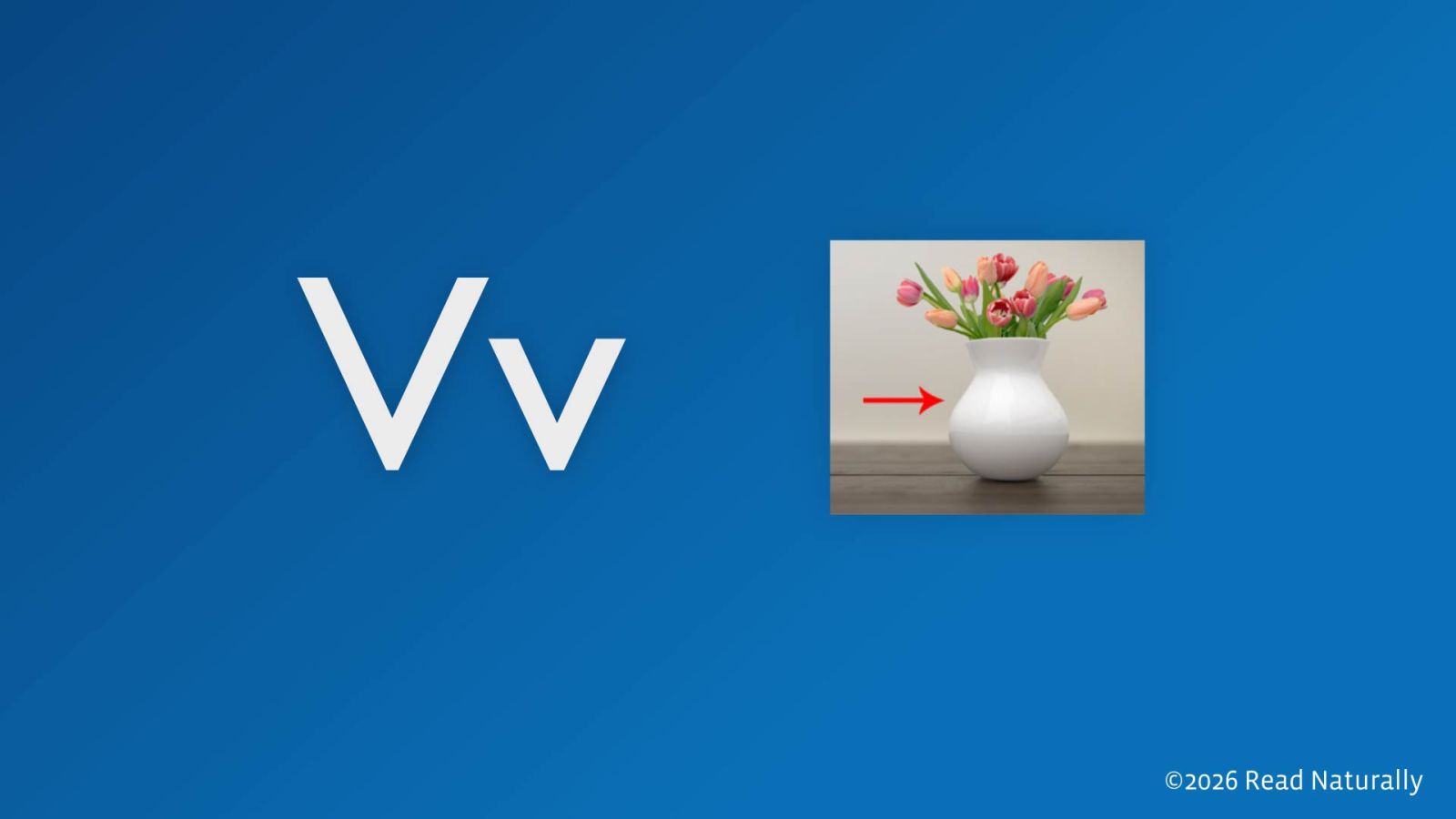
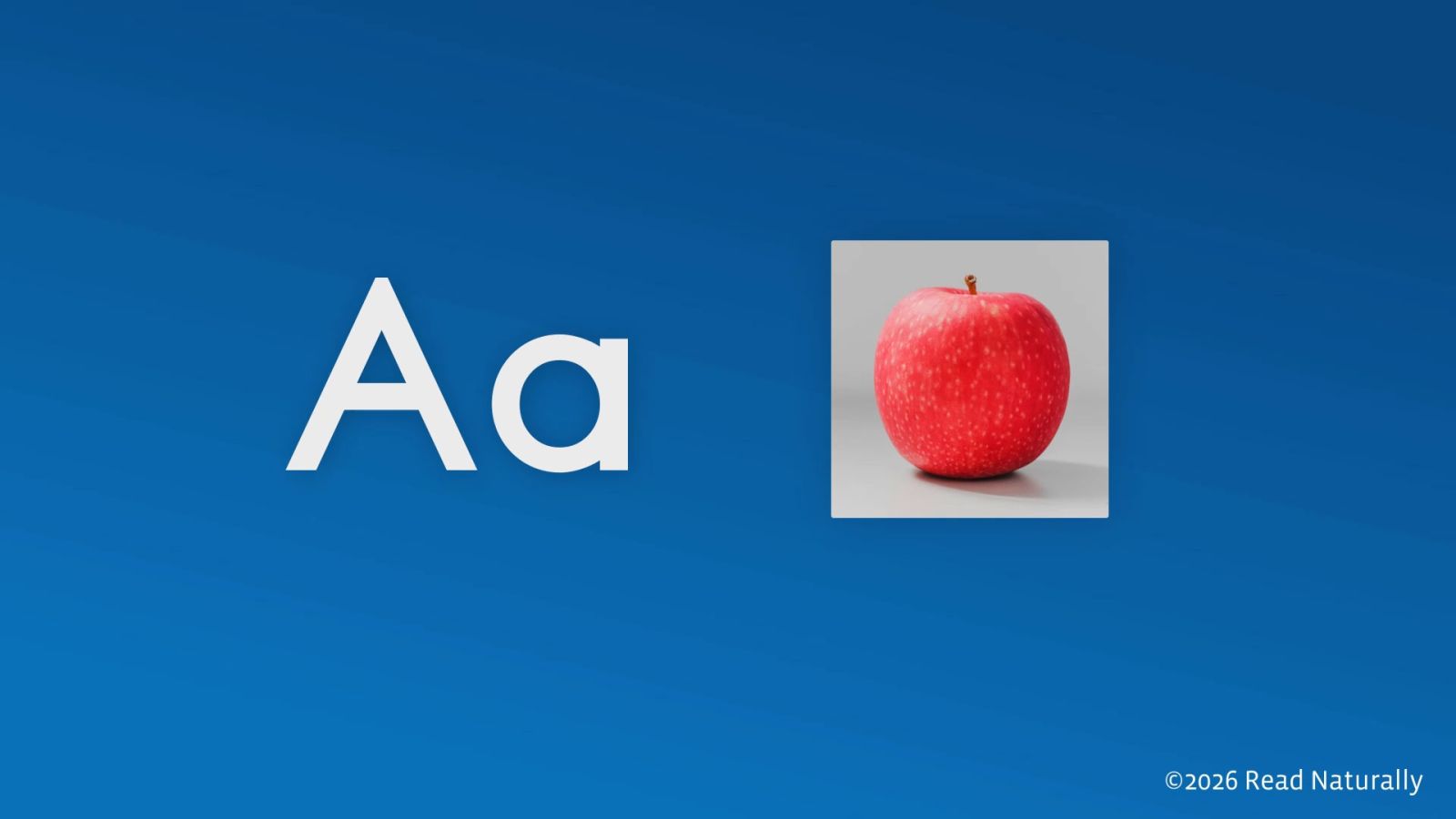
Select a category to explore a comprehensive collection of phonics sounds. Use this guide to understand these phonemes and to support your instruction as you teach phonics skills, including accurate phoneme pronunciation and their common graphemes/spelling patterns.
For users of Read Naturally programs, including Word Warm-ups Live, GATE+, and Read Naturally Live Phonics Series, this guide reflects and can support instruction of the phonics patterns taught in those programs. It can also provide guidance for the administration and scoring of the Read Live Phonics/Word Analysis Assessment.
*The letter q says /k/. However, most of the time q is followed by the vowel u. When this occurs, the sound is pronounced /kw/.
**Note that teaching the sound of the consonant w as /oo/ and the sound of the consonant y as /ē/ can help students avoid adding a schwa sound to the end of the consonant sound.
***The letter x says /x/ or /ks/. X often comes in the middle or at the end of the word. When this occurs, the sound is pronounced /ks/.
****To help students understand the difference between the voiced and unvoiced digraph t-h, consider doing the following activity:
Explain to the students that the digraph t-h can make two similar sounds. Tell them the difference is that the throat vibrates when making one of these sounds but not when making the other.
Direct the students to put their hands on their throats.
Tell them to hum along with you and notice their throats are vibrating.
Tell them to make the sound of the letter h and notice their throats are not vibrating.
Direct the students to think of the word "the" and to make its beginning sound: /th/. Ask if they feel their throats vibrate. (They should feel their throats vibrate.)
Direct the students to think of the word "thin" and to make its beginning sound: /th/. Ask if they feel their throats vibrate. (They should not feel their throats vibrate.)
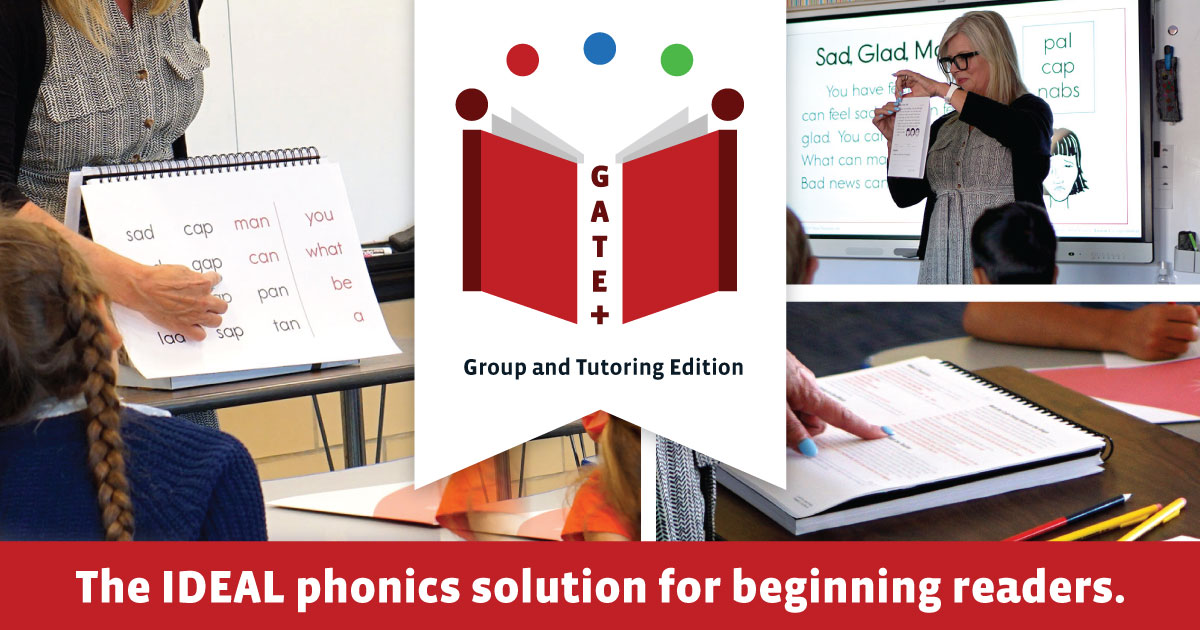
Read Naturally GATE+: Group Phonics Instruction
Read Naturally GATE+ is your complete phonics toolkit for the whole classroom! Students master phonemic awareness, phonics, and high-frequency words while developing fluency, comprehension, and vocabulary. Scripted lessons aligned with the Science of Reading make teaching these essential skills easy and effective for any educator.
Based on the Science of Reading, Word Warm-ups Live delivers structured, sequential phonics instruction in an engaging, game-like format. Audio-supported phonics and word analysis lessons allow for individualization and enable students to work independently on the phonics skills they need to develop.
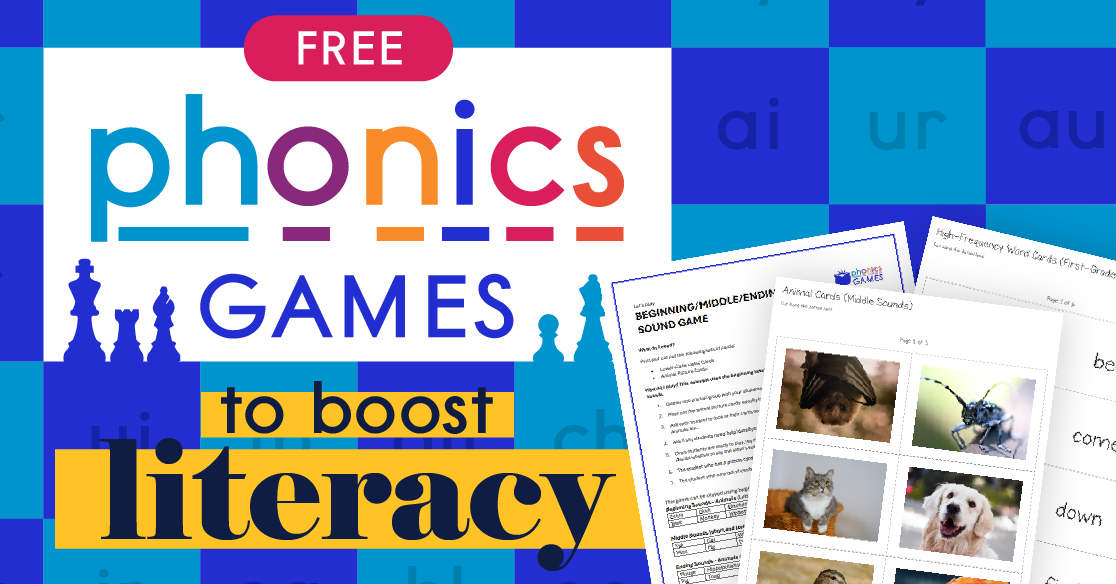
These engaging activities are perfect for building literacy skills and include easy-to-follow instructions. Your students will love learning while they play!
The printable cards can be used across multiple games, making them a versatile tool for any classroom. Ideal for K-2, but easily adaptable for older students needing phonics practice, too.
This diagnostic assessment identifies students’ strengths and instructional needs in phonics—decoding and encoding—and includes a time-saving spelling assessment. Learn More About QPS

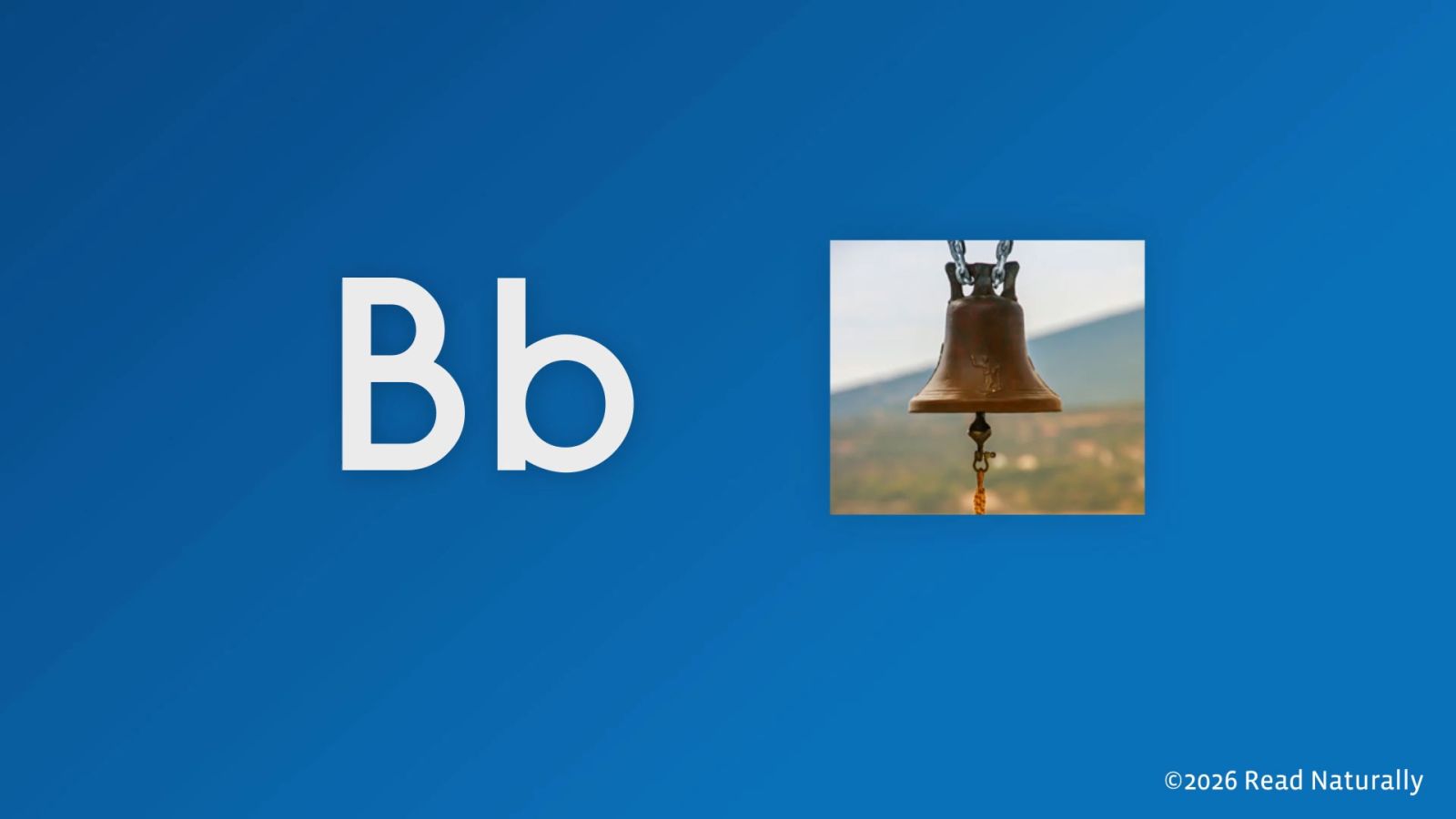
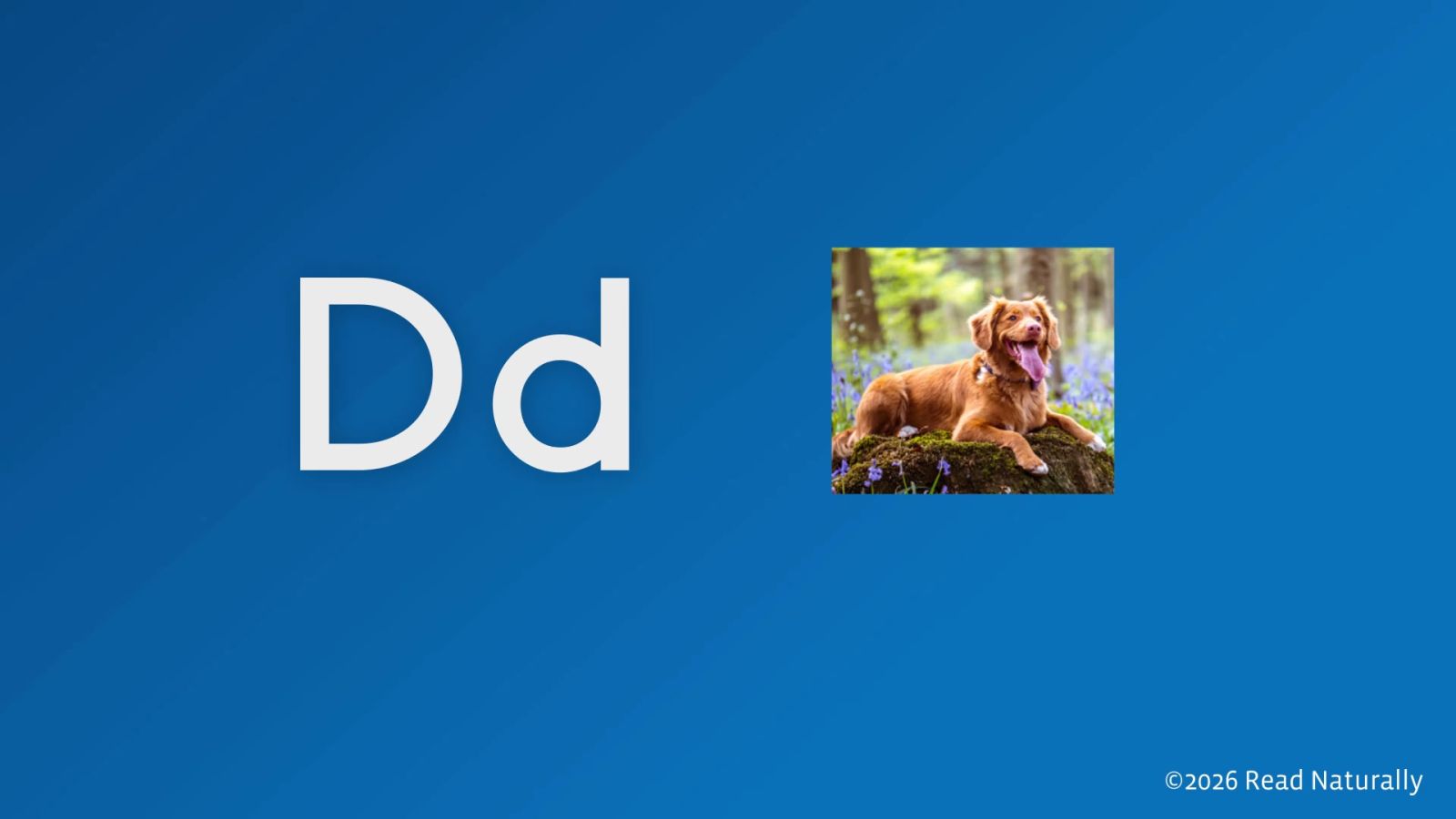
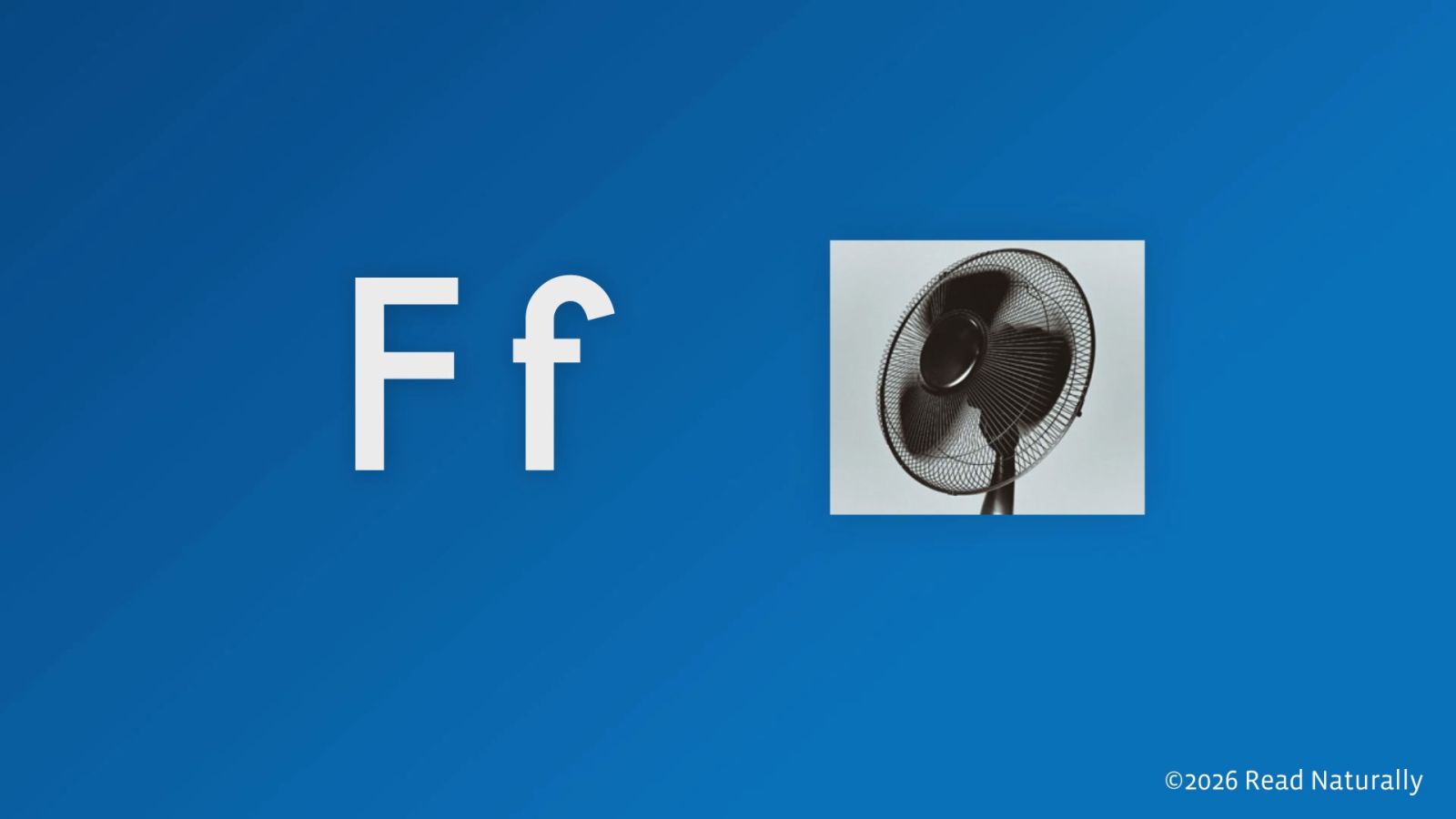



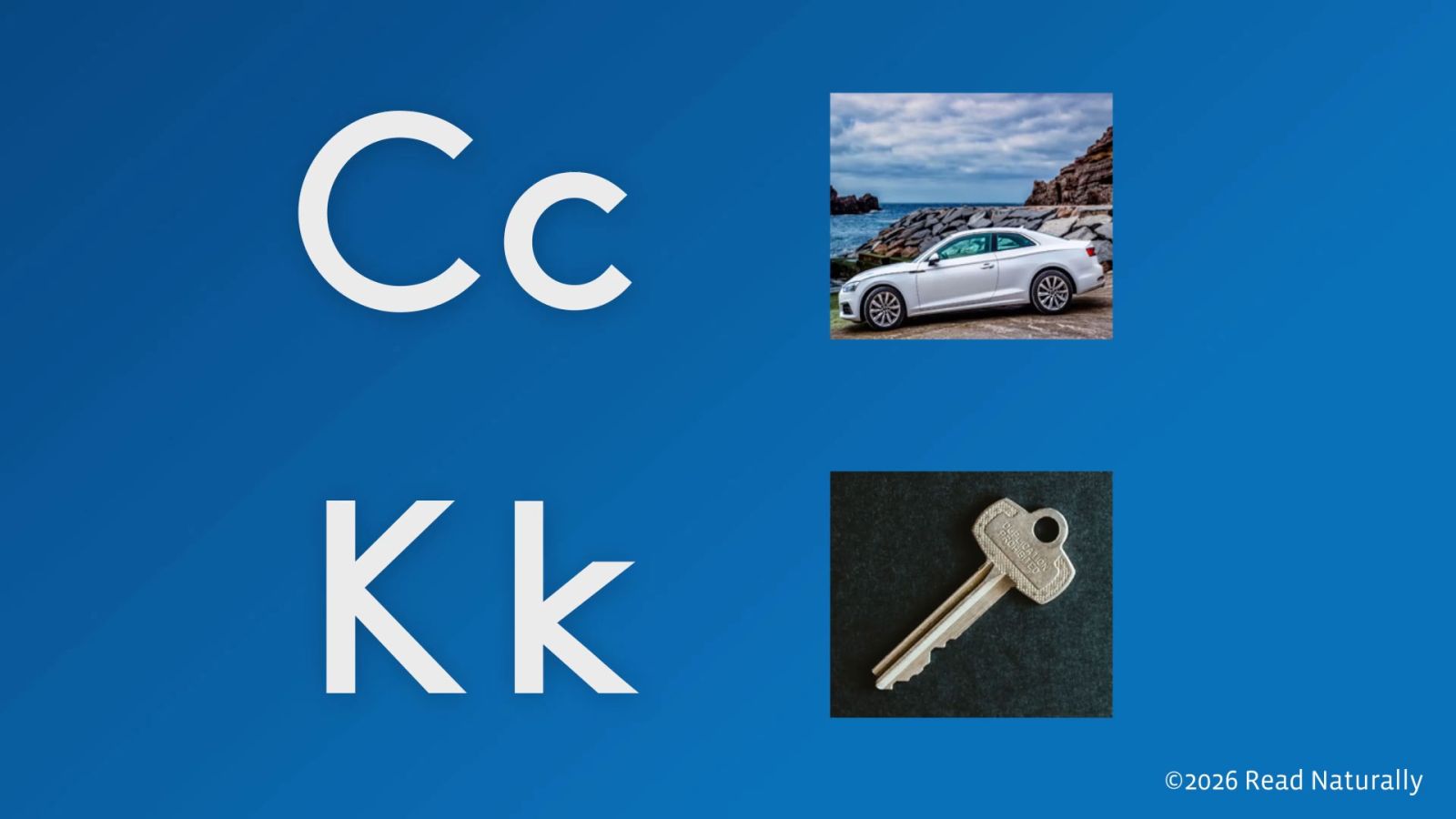











.jpg)
 This diagnostic assessment identifies students’ strengths and instructional needs in phonics—decoding and encoding—and includes a time-saving spelling assessment.